

20 Recommended Reasons For Deciding On Currency Exchange Sites
Ten Ways To Compare Local And Online Rates For Currency Exchange
Knowing the distinction between online and local exchange rates in today's global economy is essential for those who are involved in travel, business or investment. Local rates refer to exchange rates offered by currency exchange facilities in physical form, banks, or ATMs in your area or in your destination. Online rates are those provided by digital platforms or financial institutions to change currencies. They vary greatly, and could affect the amount of money you spend to exchange currency or the return on investment. If you are aware of the differences between local and online exchange rates, it's possible to make more informed decisions which will help you save money. The top 10 tips to use local and online rates with ease are listed below.
1. Different rates and their differences
The rates for local exchanges differ significantly in comparison to online rates, because of overhead costs as well as market conditions. Local exchanges might have higher charges and less favorable rates, because of the operating costs. Online platforms have lower overheads, which can result in lower rates. Knowing the differences will allow you to choose the best option for your currency exchange needs.
2. Compare rates before exchanging currency
Compare rates online and locally before converting currencies. Find rates in real time using currency converters. For instance, if you are traveling to another country, look up the current exchange rate online and then compare it to what local currency exchange booths or banks offer. This comparison can help you determine the most efficient solution and save money.
3. Utilize Online Currency Exchange Platforms
Online currency exchange platforms such as Wise and Revolut provide more competitive rates, and charge lower fees than local banks or exchange kiosks. These platforms offer real-time rates and transparent fees. Through these services you can be sure that you're getting the best possible deal when you convert currencies.
4. Be aware of Dynamic Currency Conversion.
When purchasing in another country, you could be given the option to pay with your currency via Dynamic Conversion. Despite the convenience of this option, it is often accompanied by unfavorable conversion rates and costs. Always pay in the local currency in order to avoid excessive charges associated with DCC and also to benefit from better rates.
5. Consider Convenience as opposed to. Cost
If you're deciding between the local rate and the online rate, you should weigh convenience against costs. Local exchanges may provide immediate access to cash, which could be useful when traveling. Online exchanges have lower rates, however they require you to open an account before waiting for the transfer of funds. Examine your requirements based on your plans for travel or business transactions to determine the best option for you.
6. Monitor the Exchange Rate Trends
Tracking the patterns in exchange rates could assist you in making an informed decision about the best time to exchange your currency. Online platforms typically offer historical data and analysis tools which allow you observe fluctuations in exchange rates. Understanding the market can help you to plan your currency exchanges more effectively so that you can benefit from the best rates.
7. Examine ATM Fees and Limits for Local Withdrawals.
– If you decide to cash out at an ATM during your travels be aware of any fees associated with withdrawals from local ATMs. Different banks have different fees when you make international transactions. ATMs are also typically governed by their own withdrawal limitations. Researching local ATMs before your trip can assist you in finding ATMs with lower fees or better rates, ensuring you benefit the most from your withdrawals.
8. Free Currency Exchange Service
A few banks and online platforms provide free currency exchange services to customers with accounts. This could be a valuable service for travelers who frequent travel, or companies who deal with foreign exchange regularly. Make an account with these institutions to take advantage of lower rates and more favorable exchange rates. This can increase savings.
9. Talk to Financial Experts for Large Transactions
If you are dealing with large amounts of money, or exchanges that are complex consulting financial experts can prove beneficial. Experts in currency provide invaluable advice on the best ways to use local and internet rates. It is vital for international businesses or investors to understand their currency exposure.
10. Make a plan for your currency needs
Whether you're on an official trip or travelling to another country, preparing your requirements for currency ahead can save both time and money. Consider the amount of cash required for your trip and the most effective method to exchange that money. If rates in your area are not favorable think about using online platforms to convert your cash before your trip, ensuring that you can access more favorable rates, and lessening the possibility of losing money through unfavorable exchanges.
Use these guidelines to get through the maze of currency exchange, whether you are traveling, doing business, or analyzing your investments. Knowing the pros and disadvantages will help you to make informed choices about your financial situation that align with your objectives. You will make better decisions. Follow the recommended CAD to USD info for site info including dollar to mexican peso, chf to usd, canadian dollar to usd, doller to rupee, thb to usd, dollar to rupee, aud to usd, usd to php, us dollar to php, us dollar to pakistani rupee and more.
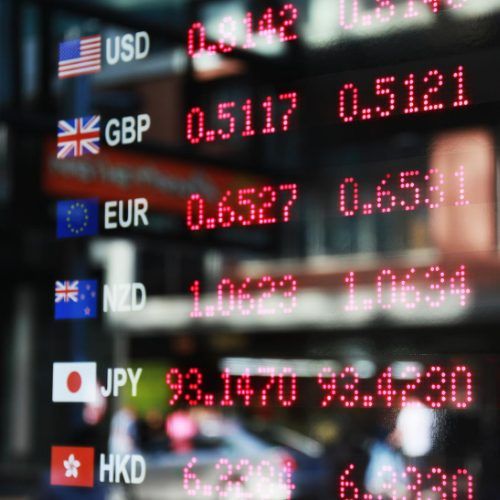
Ten Suggestions For A More Efficient Payment Method That Is More Efficient In Terms Of Exchange Rates And Currency
In today's globalized economy, it's vital to choose the best method of payment in order to manage your financial transactions effectively, whether you are traveling abroad, running business or managing investments. The method you select can affect costs, security as well as convenience. Different payment methods come with different fees, exchange rate and acceptance level which affects the overall experience as well as the financial outcomes. Understanding the nuances behind different payment options can help you make well-informed decisions that align with your financial goals. Here are the top ten details on how to select and utilizing payment methods effectively to manage your finances.
1. Know the Different Payment Methods that are available
Familiarize your self with the available payment methods including cash, credit/debit card mobile payments, and digital wallets. Each has its own advantages and disadvantages with regards to convenience, cost, or acceptance. For instance, even though cash is universally accepted, it can be less secure and less convenient for transactions of a large size. You can pick the best option for you by evaluating the pros and cons of each.
2. Think about Conversion Fees
There may be currency conversion fees for using debit or credit cards for international transactions. The fees differ widely between credit card companies and banks. Certain cards will charge a fee for foreign transactions however, other cards do not. If you are planning to travel abroad or make purchases overseas, contact your credit card company or bank prior to your trip to find out their policies regarding currency conversion charges. Select cards that will reduce these charges.
3. No Foreign Transaction Fees on Credit Cards
Select credit cards that do not charge a foreign transaction fee if you will be traveling internationally or making purchases in foreign currencies. A majority of credit cards that are geared towards travel offer this advantage which allows the cardholder to make purchases overseas without incurring additional fees. This could result in significant savings, particularly for frequent travellers who might make large purchases in foreign countries.
4. Make use of mobile payment options to leverage
Mobile payment methods like Apple Pay, Google Pay, or other digital wallets, are a easy and secure way to pay with no cash or cards. These services offer enhanced security, such as tokenization and biometric verification, making them an ideal option for both in-person and online transactions. If you are looking to cut down on your expenses, you should consider mobile payments, particularly for smaller purchases.
5. ATM charges Pay attention to them when you withdraw cash
Be aware that ATM fees can vary greatly. Certain banks charge charges for international withdrawals while others may partner with local banks to offer fee-free withdrawals. When you need to withdraw money from an ATM overseas, it's worthwhile to research ATM networks that charge lesser fees. You should consider withdrawing more money simultaneously to limit charges and transactions.
6. Plan for Alternative Payment Methods
Always have a backup payment option in the event that you lose or lose your primary one. You can make purchases when you have a backup cash or credit card. When traveling, this redundancy is even more crucial since some locations do not accept all payment methods. It is possible to avoid unplanned situations by preparing ahead.
7. Keep track of exchange rates and make Better Choices
Be aware of the exchange rate when making purchases using foreign currency so that you can make educated decisions about whether to use your preferred payment method or to convert your money. Making use of apps and tools that monitor real-time exchange rates will help you determine favorable conditions for currency conversion. This information can help inform your decision on the best payment method to use, especially if you can reduce the cost of conversions.
8. Beware of Security Features
When you are choosing a payment method, security should be your top consideration. Look into the security options that your bank, payment platform or credit card company provides. Consider options that include fraud security, transaction alerts and encryption technologies. When you choose secure payment methods you are able to shield yourself from fraud and unauthorized transaction risks. This is especially important when buying online or from overseas countries.
9. Review the payment policy for businesses
Understanding the payment policy is essential for business owners to control cash flow and customer transactions. It is crucial to assess various payment processors in terms of their acceptance rates, fees and features. Select a payment method that matches your business goals, regardless of whether you value lower transaction costs, speedy processing times or convenience. A well-chosen payment method can enhance customer satisfaction and streamline your operations.
10. Learn more about the different ways to pay for investments.
Understanding the payment method is crucial for investors. Different brokerage platforms will offer various options to fund your account or performing transactions. It is important to be aware of the processing fees and delays that come with different payment methods. You may also want to think about how margins or leverage could affect your overall strategy.
Follow these tips to make sense of the complexity of travel, business and investment more efficiently. Knowing your options, costs and security features will help you make better financial decisions. The right method of payment will enhance your financial experience overall give you peace of mind and can save you money. Read the recommended I loved this about CZK to EUR for site advice including yen to usd, dollar to php, 1 us dollar in indian rupees, baht to us dollar, usd to euro exchange rate, dollar to php peso, us dollar to colombian peso, usd to mxn, pound sterling to usd, exchange rate and more.
